Global Challenges
Issue no. 18 | December 2025
© Chappatte in Le Temps, Geneva
As images of conflict and atrocities multiply, a disturbing question resurfaces: do international treaties designed to protect civilians, prevent genocide and regulate the use of war still carry any weight? From the Convention on the Prevention of Genocide to the founding principles of humanitarian law, the legal edifice built after the Second World War is faltering. Between institutional paralysis, political manipulation and blatant impunity, there is a seeming “return to the law of the strongest”. Concurrently, the notion of genocide has gained traction again as it is mobilised by a wide range of actors to denounce Israel’s attack on Gaza and its lethal consequences since 7 October 2023.
This Dossier questions the capacity — and the limits — of international law in the face of contemporary violence. What is the current level of trust in the international legal architecture to address occurrences of mass violence? What is the relevance of the notion of genocide today, as opposed to that of war crimes or crimes against humanity? What are the political stakes in the use of terms that have a judicial grounding and are invested with historical meaning and precedents? In a world where legal landmarks are more necessary but also more contested than ever, the dossier offers valuable insights into these questions.
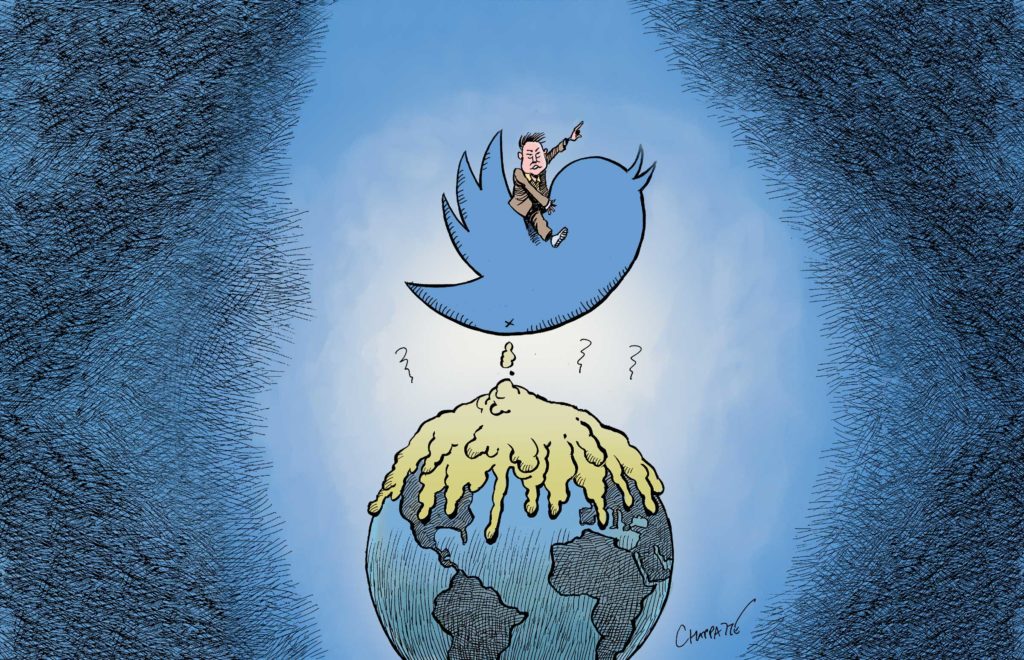
The present issue seeks to better apprehend the nature of this new era of digital disinformation and how it differs from prior eras marked by the dissemination of more traditional propaganda (notably the Cold War) or by the spread of American (or liberal) soft power through mass media and consumption. In so doing the issue seeks to address a series of questions such as: has traditional propaganda consisting in over-selling a model or ideology by means of manipulation and mass media been replaced by the generalisation of disinformation in the post-truth era characterized by systematic epistemic deconstruction and the outright discreditation of any truth claims? What is the role of states (as opposed to other actors) in this process and what tools and operational mechanisms are they mobilizing to pursue their global (dis-)information campaigns? What is the impact of the generalisation of alternative facts and disinformation campaigns on the international order? Who is to win and lose from it? What can be done, notably at the international level and the UN, to counter the noxious effects of global disinformation campaigns and to recreate trust in the global information order?
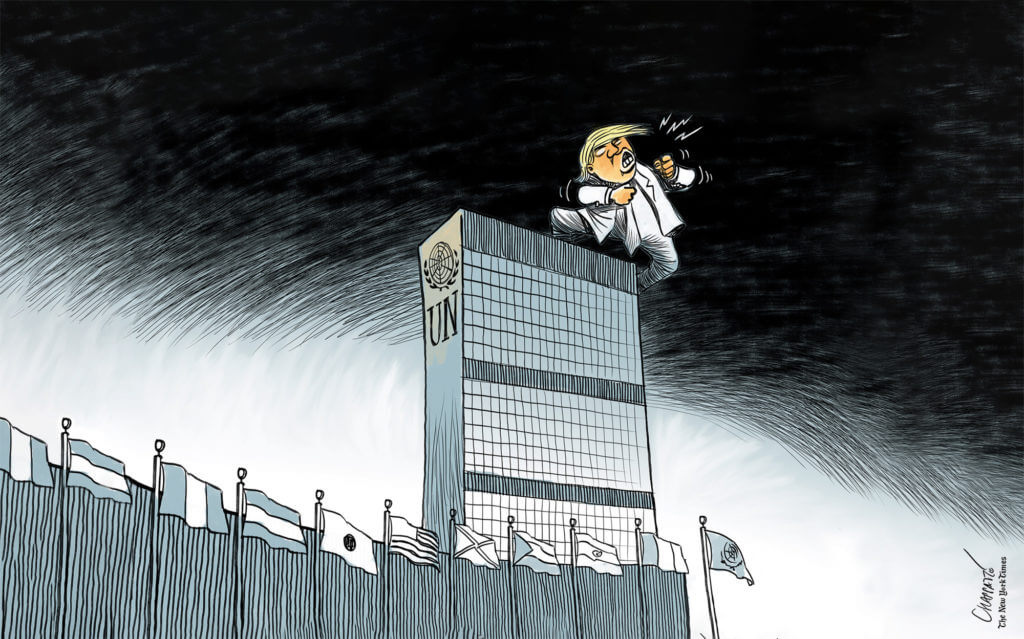
The present Dossier takes stock of the current state of the multilateral system and its future prospects. It aims to explore to what extent global governance is in crisis as the global geopolitical order is undergoing fundamental shifts and liberal universalism is losing traction. It assesses potential of reform in extant institutions as well as emerging trends, tools and forums that are reshaping multilateral practice on a daily basis.
Note – The dossier was drafted before the Covid-19 world crisis.
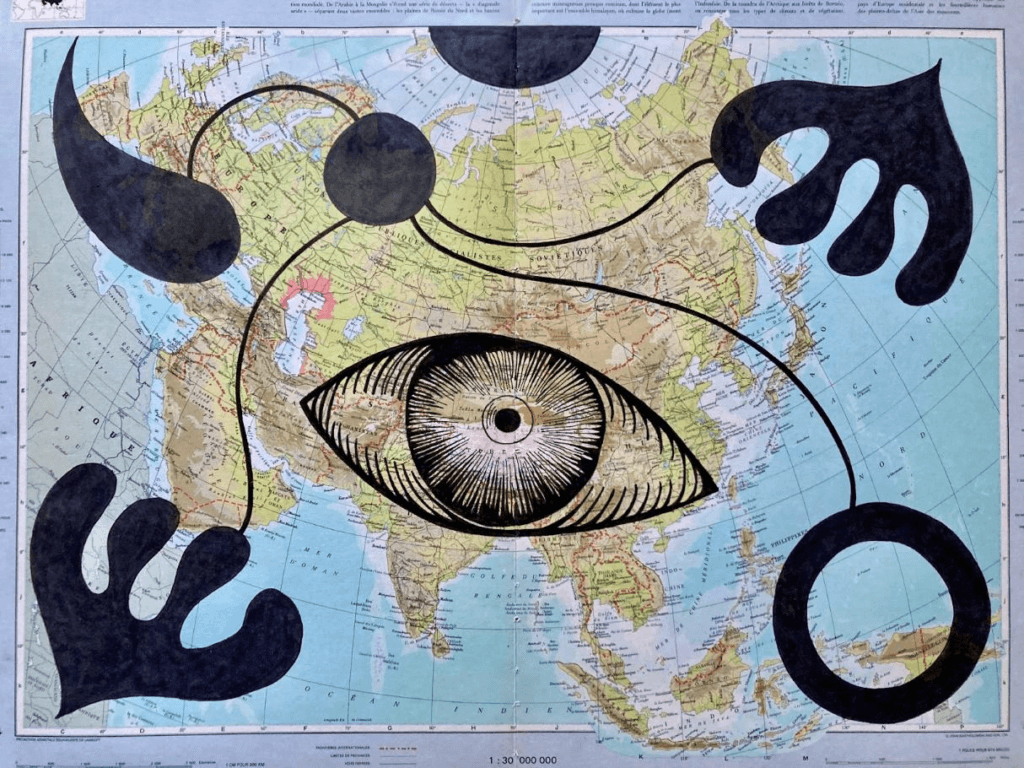
What does the experience of combining art and science bring to the study of international relations? Why blend sensibility with reason to think about the evolution of the world? How does aesthetic and/or creative performance nourish the production of academic knowledge? If thinking about creation and integrating art with the Humanities and Social Sciences is nothing new, the challenges of the 21st century call for new analyses and creative approaches that give a voice to frequently neglected perspectives, and contribute to a more nuanced and multidimensional understanding of the world. The dialectic of art and research can be approached through the artistic dimension of the object of study, proximity to artists, experimentation with new forms of fieldwork and writing, or through the cultural mediation of the results. In this special issue of the digital magazine Global Challenges, jointly produced by the Graduate Institute of International and Development Studies (Geneva Graduate Institute) and the Centre de recherches internationales (Sciences Po), the contributors shed light on the role of art in research.