Genocide and International Law: The Power of Semantics
BOX 2 | Genocides: UN Recognition and Historical Consensus
- The Holocaust (Shoah) (1941–1945), recognised via UN General Assembly Resolution 96 (I) in 1946, which led to the 1948 Genocide Convention
- Genocide against the Tutsi (Rwanda, 1994), recognised by UN Security Council Resolutions 955 and 978 (1994); International Criminal Tribunal for Rwanda (ICTR) established
- Srebrenica Genocide (Bosnia, 1995), recognised by the International Criminal Tribunal for the former Yugoslavia (ICTY) and the International Court of Justice (2007 ruling)
- Herero and Nama Genocide (German Southwest Africa, 1904–1908), recognised by Germany (2021)
- Assyrian and Pontic Greek Genocides (1914–1923), recognised by some national parliaments
- Armenian Genocide (1915–1917), recognised by many national parliaments (France, Germany, Canada, etc.)
- Holodomor (Ukraine famine) (1932–1933), recognised by Ukraine and several other countries
- Cambodian Genocide (1975–1979), recognised by the Extraordinary Chambers in the Courts of Cambodia (ECCC)
- Anfal Campaign against Kurds (Iraq, 1988), recognised by several national courts
- Darfur Genocide (Sudan, 2003–present), prosecuted by the International Criminal Court; UN uses “crimes against humanity”
- Destruction of Indigenous Peoples of the Americas (16th–20th centuries), considered genocidal by many historians
- Cultural genocide of Indigenous Peoples (Canada, Australia, etc.), recognised as “cultural genocide” or “systemic assimilation”, not as genocide in the UN’s legal sense
- Massacre of the Aché People (Paraguay, 1960s–1970s), documented by NGOs and historians
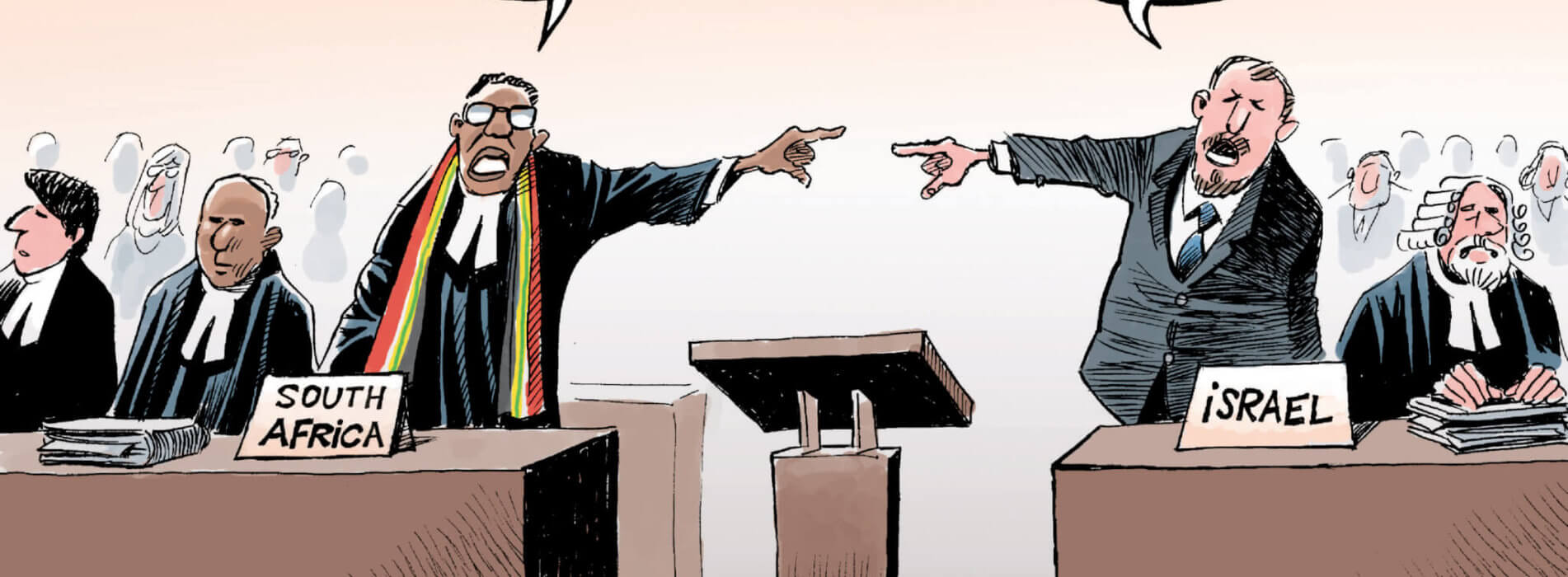
- Gaza / Occupied Palestinian Territories, UN experts describe acts as “genocidal”
- Rohingya in Myanmar, UN Independent Investigative Mechanism; case before the International Court of Justice
- Tigray (Ethiopia), joint UN–Ethiopian Human Rights Commission investigations
- Ukraine, UN Commission of Inquiry examining possible incitement to genocide
- Uyghurs in China (Xinjiang), ongoing UN human rights investigations
Sources: Marc Galvin, Wikipedia, ChapGPT, CoPilot, UN (United Nations General Assembly, Resolution 96 (I), “The Crime of Genocide”, 11 December 1946, https://digitallibrary.un.org/record/209873; Resolution A/RES/60/7, “Holocaust Remembrance”, 21 November 2005, https://docs.un.org/a/res/60/7; Resolution A/RES/78/282, “International Day of Reflection and Commemoration of the 1995 Genocide in Srebrenica”, 23 May 2024, https://docs.un.org/A/Res/78/282; “UN Resolutions Relevant to Genocide Prevention”, https://www.un.org/en/genocide-prevention/SA-prevention-genocide/UN-resolutions; “UN General Assembly Adopts Resolution on Srebrenica Genocide, Designating International Day of Reflection, Commemoration”, press release, 23 May 2024, https://press.un.org/en/2024/ga12601.doc.htm).