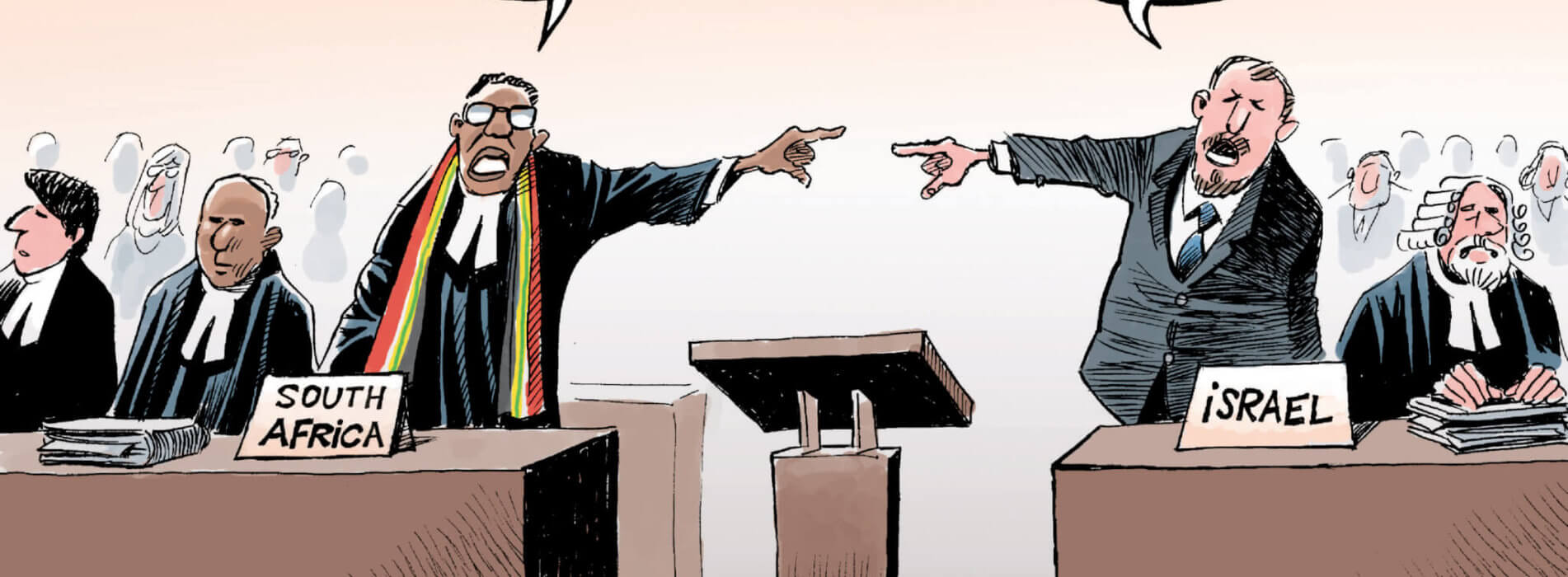
Genocide and International Law: The Power of Semantics
BOX 5 | Is the Holodomor Recognised as a Genocide?
The legal status of the Holodomor — the Ukrainian famine of 1932–33 — as a genocide remains a matter of international debate. According to the 1948 United Nations Genocide Convention, genocide refers to acts committed “with intent to destroy, in whole or in part, a national, ethnical, racial or religious group, as such”.
Scholars and the Ukrainian state argue that the famine fits this definition, citing Soviet policies that intentionally targeted the Ukrainian peasantry, culture, and political autonomy. Evidence includes:
- Forced grain requisitions far beyond subsistence levels
- Border closures preventing peasants from fleeing famine zones
- Suppression of Ukrainian language, institutions, and elites
- A disproportionate death toll among Ukrainians compared to other Soviet republics
As of 2025, more than 30 countries — including Canada, Ukraine, Poland, the Baltic states, and recently Germany — officially recognise the Holodomor as a genocide. However, neither the United Nations nor the International Criminal Court has issued a binding legal ruling on the matter, and Russia maintains that the famine was a broader Soviet tragedy, not a targeted ethnic crime.
Sources: Marc Galvin, Wikipedia, ChapGPT, CoPilot, UN.