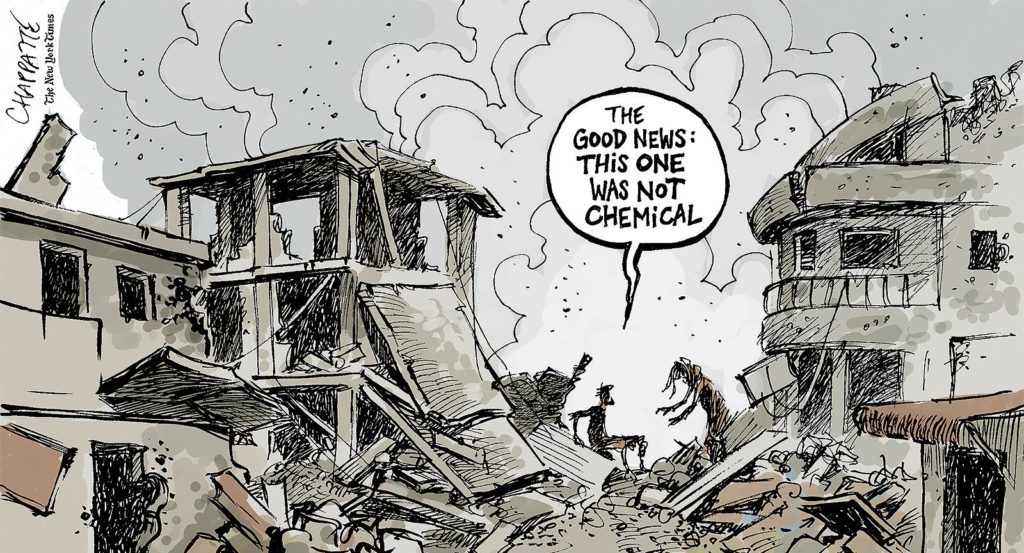
The End of Development? | Figure for the Issue
The End of Development?
TABLE | Trends in Global Development Assistance Volumes (1960–2025)
| Year | Global ODA volume (in billions of USD, constant 2023 prices) | Historical Context |
|---|---|---|
| 1960 | ~ 40 | Start of OECD statistics; rise of post-colonial bilateral programs |
| 1970 | ~ 60 | UN commitment to 0.7% of GNI; expansion of bilateral agencies. |
| 1980 | ~ 85 | Peak linked to the Cold War and concessional loans; prior to the debt crisis. |
| 1990 | ~ 105 | End of the Cold War; shift toward governance and structural reform |
| 2000 | ~ 95 | Relative decline; launch of the MDGs and start of debt relief initiatives. |
| 2005 | ~ 130 | Impact of debt cancellations (HIPC) and the Paris Declaration. |
| 2010 | ~ 150 | Stabilization following the financial crisis; rise in humanitarian aid. |
| 2015 | ~ 160 | Adoption of the SDGs; expansion of funded sectors. |
| 2020 | ~ 185 | Increase linked to global crises (climate, migration, pandemics). |
| 2023 | ~ 223 | Historical high; sharp increase in humanitarian aid and concessional loans. |
| 2024 | ~ 212 | Beginning of the cuts |
| 2025 | ~ 174 | With, 23.1% decrease over 2024, it is the largest annual contraction on record and a second consecutive year of decline. |
Data: OECD (International Development Statistics); Our World in Data (ODA, constant 2023 USD).