Urban Morphology & Violence | Figure for Article 6
Making Peace with Urban Political Settlements
Figure 2. – Urban Peace Agreements by Stage, 2011-2021.
Source: (Bell et al., 2020)
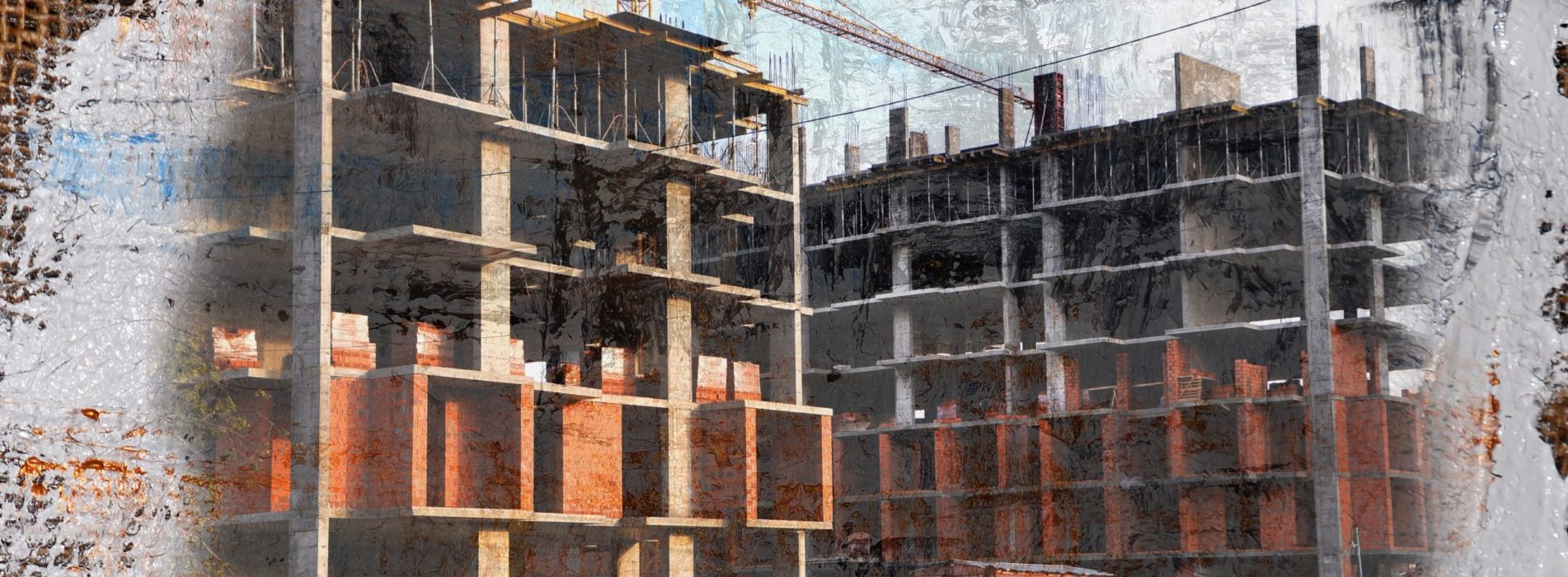
Source: (Bell et al., 2020)
The essays in this volume are the product of a new ‘research practicum‘ course in the Department of Political Science and International Relations at the Graduate Institute in Geneva. They build on the debates on ‘Urban Morphology and violence’ to reflect on the associations between cities – their political orders and disorders – and outcomes ranging from occupation and resistance to marginalisation and containment. These texts foreshadow the possibility of centring – and challenging – the urban in our understanding of contemporary conflict, violence and peace. They are a first step in opening up a research agenda for a more textured analysis of spatial, geographical and temporal dynamics within the city in relation to violence, and, therefore, the mobilisation of spatial, temporal and visual modes of analysis. The promise is to make visible the varied roles of urban morphologies – adding to the debate on cities in and as sites of conflict.
Soil is an essential component of the Earth’s ecosystem. It contributes to and fulfills a wide range of environmental and societal functions such as food production, water filtering, carbon storage and the preservation of biodiversity essential to the survival of the human species. While soils have witnessed significant environmental degradation in recent decades, lands have been the object of increased economic competition and financial speculation. The commercial and financial scramble for land has never been more intense as transnational actors and governments such as the Chinese seek large scale bids for land in the Global South that have been likened to new forms of neocolonialism. The consequences of this double tension include the loss of biodiversity, floods, climate change, famines, forced migration and conflict.
It is the assumption of the present Dossier that issues such as large scale exploitation of land and natural resources, soil degradation, biodiversity, food security and climate change are closely interdependent and cannot be treated in isolation. Seeking to explore and better understand the interlinkages between the material degradation of soils and the increased extractive, commercial and speculative pressure on lands, the Dossier aims to address some of the broader stakes the Anthropocene is currently facing: How irreversible is the damage that has been caused to earth’s soils? Have we reached a point of no return? How many people is the earth able to feed and for how long? Are we trapped in a Malthusian logic? How will climate change depend and interact with changing patterns of soil distribution and depletion? What is the impact of large scale deforestation and natural resource extraction on the environment, particularly the soils? What are the governance patterns and technological solutions emerging to address land depletion and scarcity? What are some of the cybernetic loops and mechanisms of autoregulation through which the earth reacts to human interference?