Africas Rising? | Figure for the Issue
Emad Hajjaj / cartooningforpeace.org/
Africas Rising?
Emad Hajjaj / cartooningforpeace.org/
While poverty has been diminishing in absolute terms and relative income has been growing on a global scale for over two centuries, inequality – as measured by instruments such as the Gini coefficient – has been increasing steadily since the early 1980s. With the financial crisis of 2007, the growing digitalisation of the economy and the current pandemic, global inequality has further worsened, seeing the fortunes of the superrich attaining unprecedented levels and revenue concentrating in the top percentiles of societies.
Concurrently to the aggravation of the social fracture, additional fault lines have been opening or hardening along logics of race, gender, ethnicity and religion. Identarian revendications and logics of difference and exclusion have come to complement, compete with or supersede more traditional struggles for equality in a postmodern and neoliberal context that has normalised inequality, homogenised societies and done away with earlier grand narratives and collective agendas.
The consequences of inequality(ies) are dramatic, as reflected in the polarisation and fragmentation of societies, worsening health and mortality indicators, political tensions and violence, a decline in democracy, and mistrust in state institutions. The objective of the current issue of Global Challenges is therefore – by reverting to the analytical tools of social science – to reflect on the causes behind the multifaceted growth of inequality(ies), anticipate their noxious fallouts and explore potential remedies.
The essays in this volume are the product of a new ‘research practicum‘ course in the Department of Political Science and International Relations at the Graduate Institute in Geneva. They build on the debates on ‘Urban Morphology and violence’ to reflect on the associations between cities – their political orders and disorders – and outcomes ranging from occupation and resistance to marginalisation and containment. These texts foreshadow the possibility of centring – and challenging – the urban in our understanding of contemporary conflict, violence and peace. They are a first step in opening up a research agenda for a more textured analysis of spatial, geographical and temporal dynamics within the city in relation to violence, and, therefore, the mobilisation of spatial, temporal and visual modes of analysis. The promise is to make visible the varied roles of urban morphologies – adding to the debate on cities in and as sites of conflict.
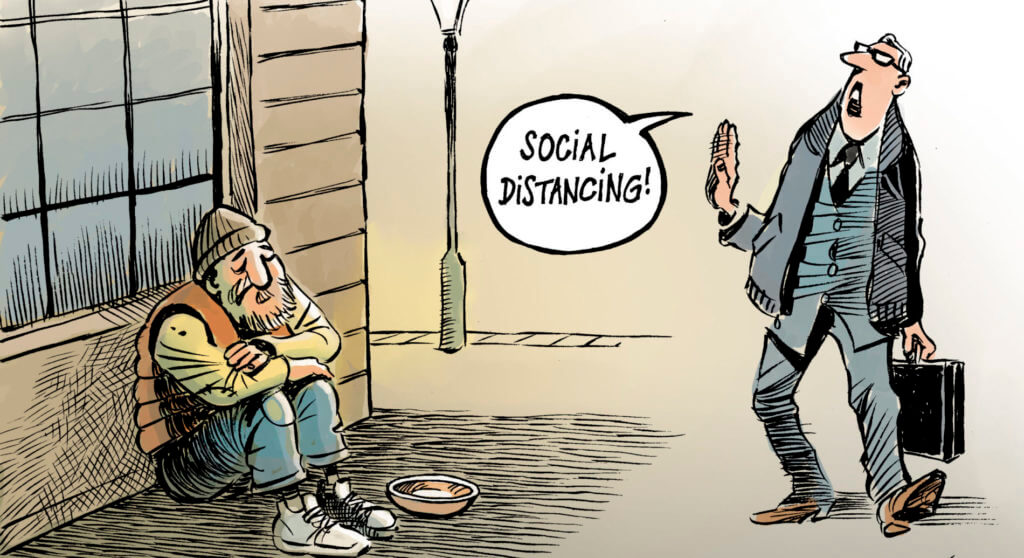
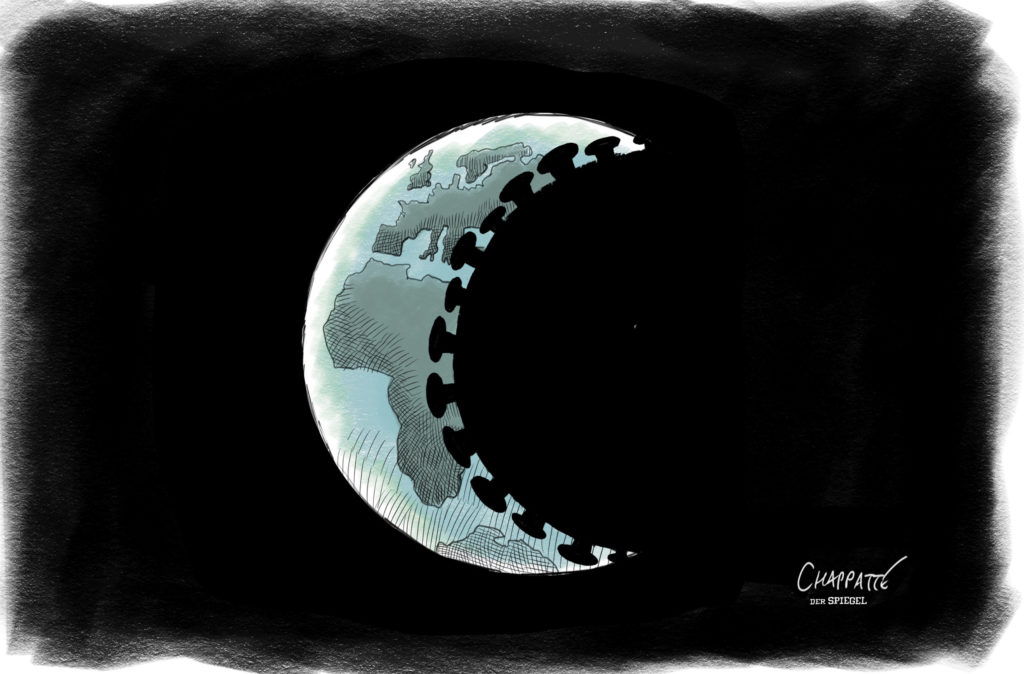
A pandemic is not just a medical emergency – it is also a political, economic, and social crisis. It implies new challenges for democratic institutions and practices, for citizenship rights and human rights as some of the restrictions on civil liberties put in place by liberal and illiberal democracies may well outlive the coronavirus. This special issue explores some tensions and dilemmas of democracies faced with the current crisis. “Politics of the Coronavirus Pandemics” addresses questions like: Can we speak of a decline in politics during the pandemic? While states have been using the full gamut of their sovereign prerogatives, has the political (temporarily) faded in the face of, for example, “expertise”? What will be the lasting impact of the rule by administrative fiat, and of emergency powers put in place in many countries? What kinds of agenda and instruments of civic activism are likely to emerge given that courts are rarely in session and public protest not permitted due to distancing rules? What are the likely consequences of these reconfigurations for democracy, governance, and welfare systems in the global South and North?