Elections – What For? | Figure for the Issue
© Chappatte dans Le Temps, Genève.
Elections – What For?
© Chappatte dans Le Temps, Genève.
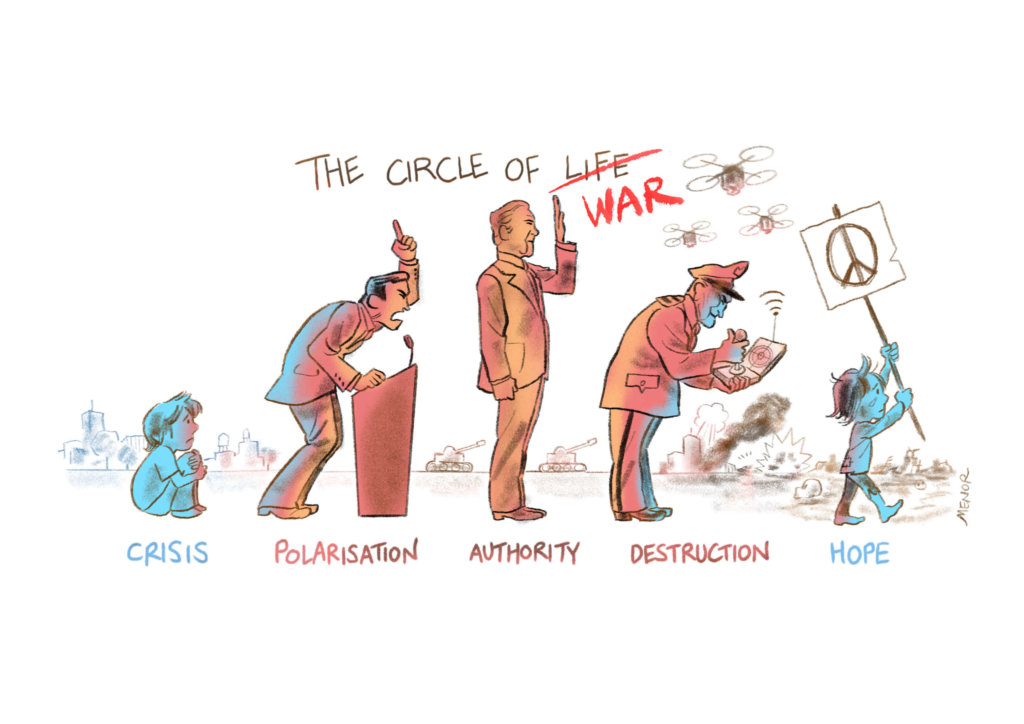
Since the end of the Cold War, the belief in a lasting “peace dividend” fostered the expectation that economic interdependence and multilateralism would gradually reduce the role of military power. Yet the wars of the 2020s have brutally overturned this assumption, exposing a resurgence of high-intensity conflict with devastating results. States are accelerating their rearmament amid the resurgence of strategic rivalries and a growing contempt for the international norms intended to contain violence. This shift raises a pressing question: are we entering a new era in which interstate wars once again become a structural feature of world politics?
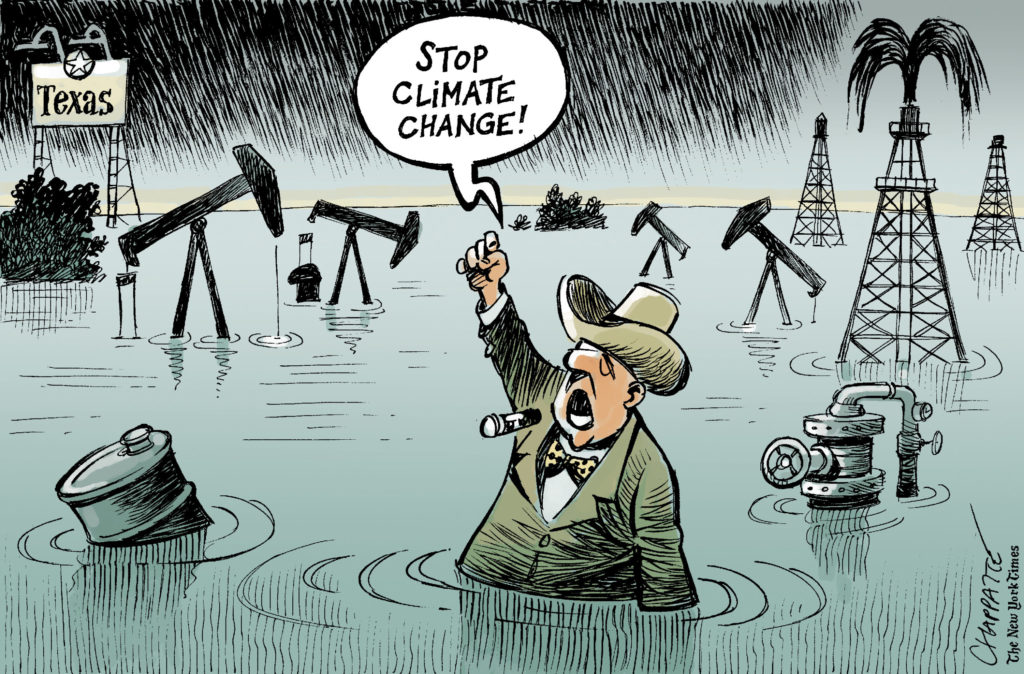
After the outbreak of COVID-19 – a virus constituting a genuinely worldwide risk – fear internationalised in just a few weeks. As the COVID crisis has profoundly shaken societies on a global scale it has contributed to a reconfiguration – perhaps a multiplication – of risks and their perceptions. While foremost constituting a biological hazard, the pandemic has large repercussions on other types of risks, ranging from long-term economic and digital disruption to psychological distress and political confrontation. The nature and frontiers of risks are thus moving as the multilateral system, the most adequate framework to deal with global risks, is ailing and current risk mitigation strategies are increasingly put to question. The six articles of the present Dossier explore these changing hierarchies of risk and the underpinning structural issues that endanger our existence.
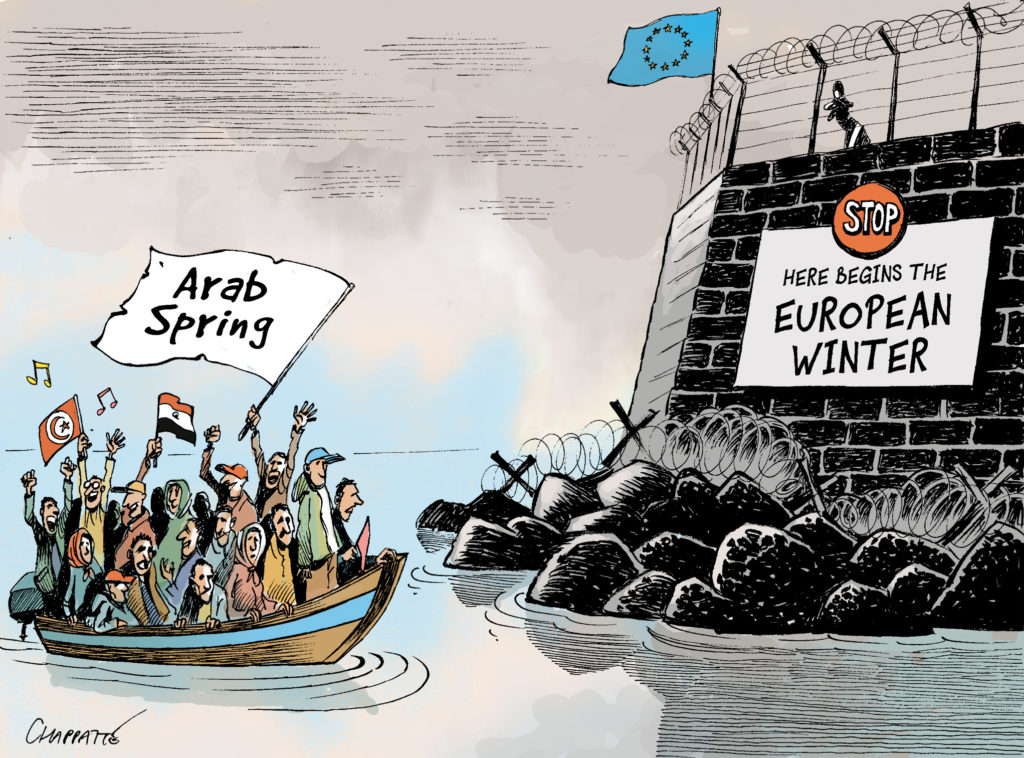
We currently face a baffling paradox. While since the fall of the Berlin Wall in 1989 a seemingly inexorable process of globalisation has been foreshadowing a peaceful and frontierless world, the number of walls across the world has been rising at a steady pace. Liberal and open societies buttressed by trade, international law and technological progress were supposed to implacably contribute to the erosion of frontiers and walls between nations. However, in a context of surging populist discourses, securitarian anxieties and identitarian politics as well as concomitant flows of migration alimented by climate change, conflict and poverty, nations have recently started to barricade themselves behind new walls.