The End of Development?
VIDEO | Rethinking Development: Toward Collective Stewardship of Our Shared Future, with Agi Veres, Director of the UNDP Office in Geneva, and Marie-Laure Salles
Research Office, Geneva Graduate Institute
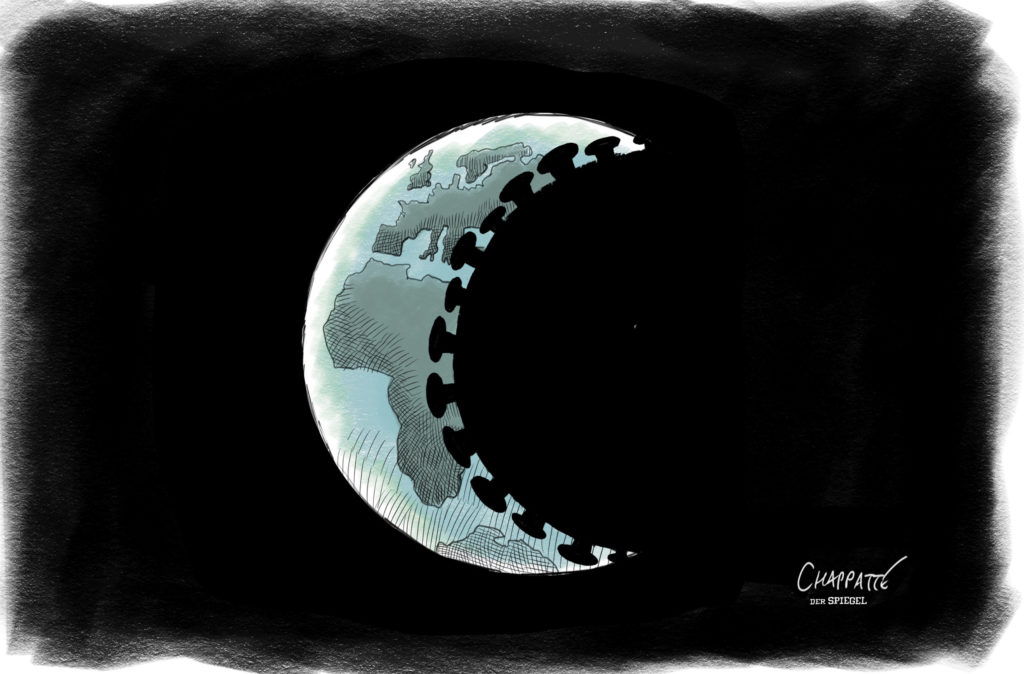
A pandemic is not just a medical emergency – it is also a political, economic, and social crisis. It implies new challenges for democratic institutions and practices, for citizenship rights and human rights as some of the restrictions on civil liberties put in place by liberal and illiberal democracies may well outlive the coronavirus. This special issue explores some tensions and dilemmas of democracies faced with the current crisis. “Politics of the Coronavirus Pandemics” addresses questions like: Can we speak of a decline in politics during the pandemic? While states have been using the full gamut of their sovereign prerogatives, has the political (temporarily) faded in the face of, for example, “expertise”? What will be the lasting impact of the rule by administrative fiat, and of emergency powers put in place in many countries? What kinds of agenda and instruments of civic activism are likely to emerge given that courts are rarely in session and public protest not permitted due to distancing rules? What are the likely consequences of these reconfigurations for democracy, governance, and welfare systems in the global South and North?
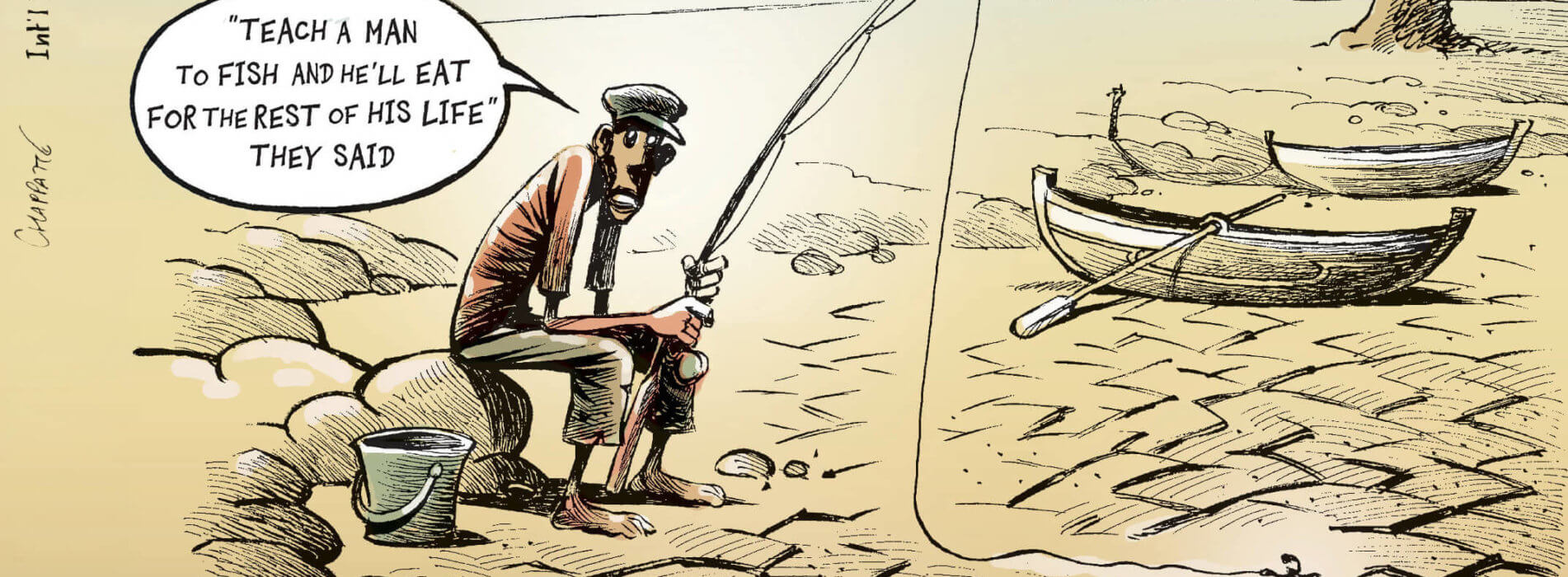
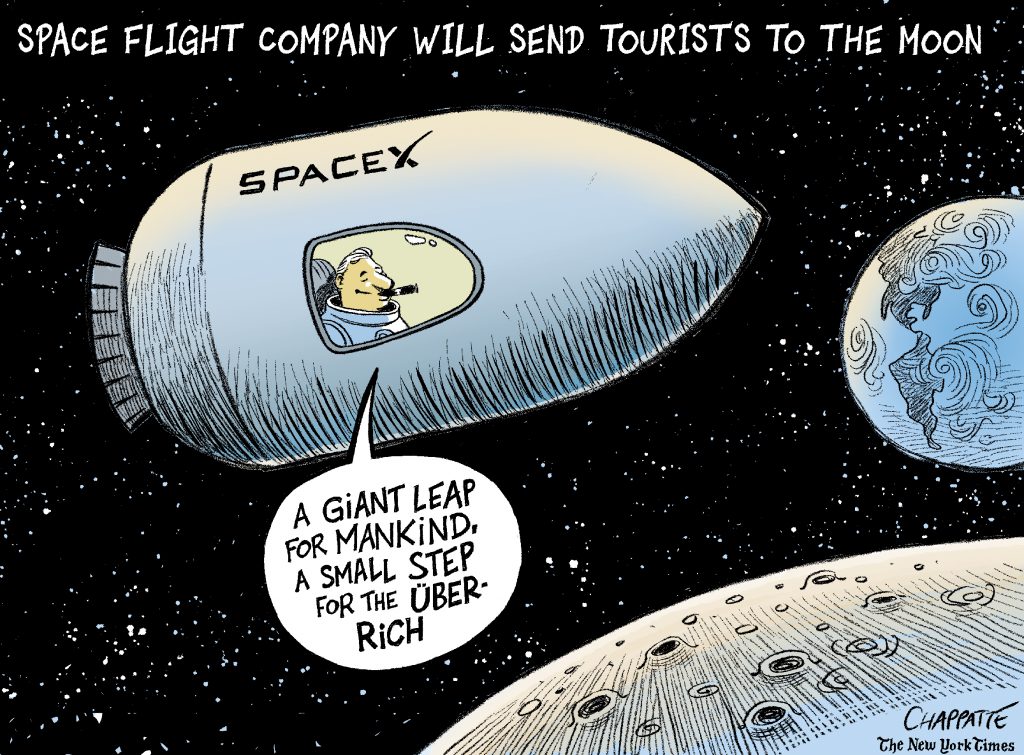
Has globalisation reached its apex after centuries of growth as suggested by the latest figures of the WTO? In the affirmative, does this imply that we are ushering into a new era of degrowth? Or are we witnessing the reorganisation of the very architecture of globalisation, which remains based on the twin logic of the acceleration and continuous increase of the volume of exchanges, as well as the steady densification of geographic connectedness. Are global exchanges restructuring concomitantly to the fourth technological revolution and the expansion of the digital economy? The present Dossier proposes to approach this question by observing the nature and the evolution of the principal flows that characterise globalisation.
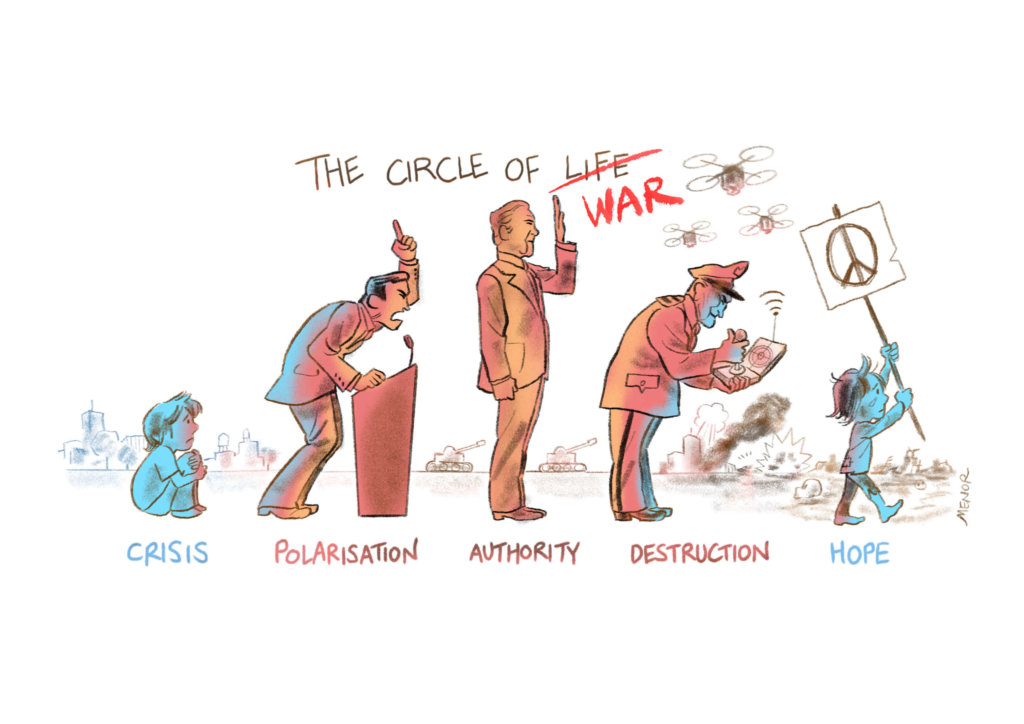
Since the end of the Cold War, the belief in a lasting “peace dividend” fostered the expectation that economic interdependence and multilateralism would gradually reduce the role of military power. Yet the wars of the 2020s have brutally overturned this assumption, exposing a resurgence of high-intensity conflict with devastating results. States are accelerating their rearmament amid the resurgence of strategic rivalries and a growing contempt for the international norms intended to contain violence. This shift raises a pressing question: are we entering a new era in which interstate wars once again become a structural feature of world politics?