Urban Morphology & Violence | Figure for Article 4
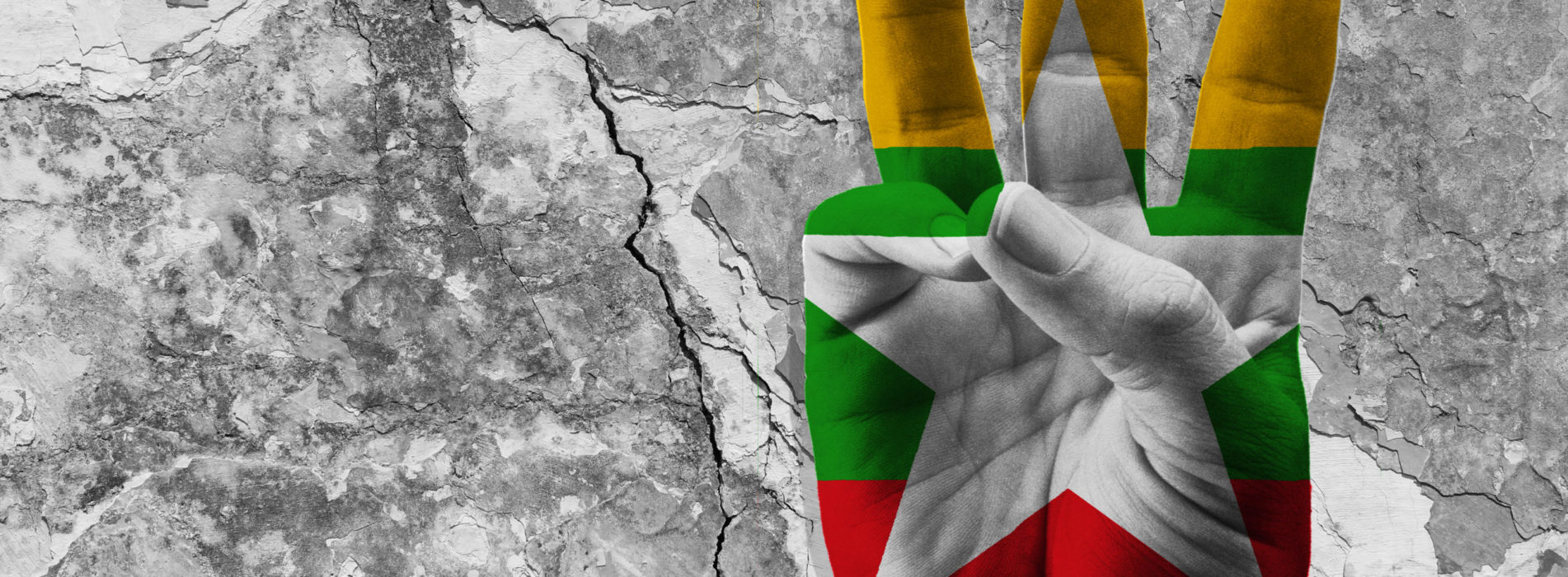
Naypyidaw, Myanmar: A Capital Devoid of Protests
Figure 5 – The National Assembly has two entrances protected by doors

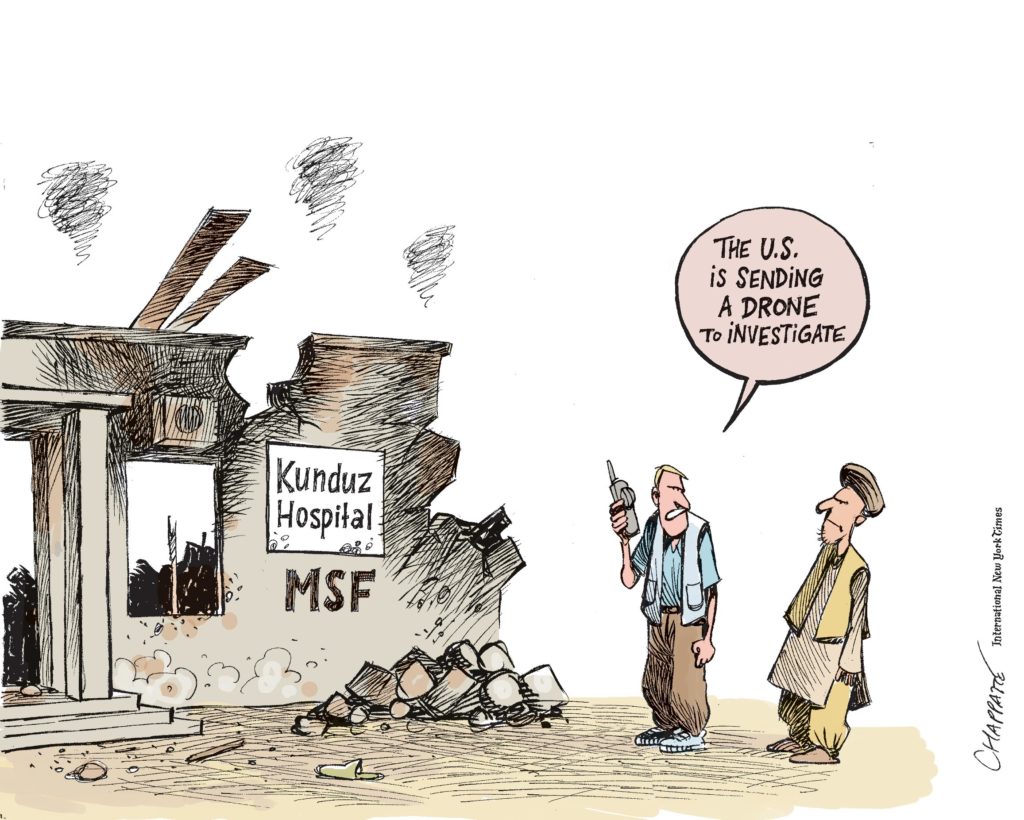
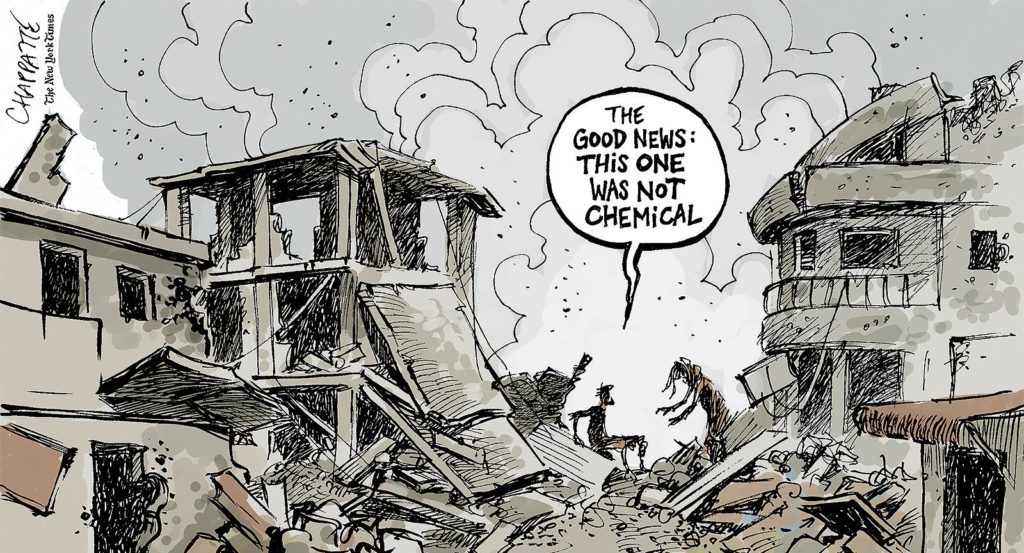
The Dossier aims to explore new trends and expressions of violence in armed conflict in the 21st century. Taking as a starting point the changing paradigm of armed conflict – from conventional wars with clear contours towards more non-linear, fragmented and protracted types of civil and international conflict — it adopts a broad approach to portray changing forms of violence across different types of armed conflicts (including terrorism, international/civil wars or urban warfare). In the context of a fragmenting international order, with increasingly blurred lines between state and non-state, combatant and civilian, domestic and international, the number of actors involved in conflicts and concurrent strategies of violence have multiplied. In face of the ubiquity of violent conflict — despite an overall decline in interstate conflict and global number of casualties — the Dossier aims to shed light on new or changing forms of violence, their contexts, actors and victims. It explores the novelty, heterogeneity, scales and vectors of violent practices in contemporary conflicts by investigating the impact of a series of factors such as new military technologies (drones, robots), new communication tools (social media), gender, migration, or the subcontracting of security to private actors.
The essays in this volume are the product of a new ‘research practicum‘ course in the Department of Political Science and International Relations at the Graduate Institute in Geneva. They build on the debates on ‘Urban Morphology and violence’ to reflect on the associations between cities – their political orders and disorders – and outcomes ranging from occupation and resistance to marginalisation and containment. These texts foreshadow the possibility of centring – and challenging – the urban in our understanding of contemporary conflict, violence and peace. They are a first step in opening up a research agenda for a more textured analysis of spatial, geographical and temporal dynamics within the city in relation to violence, and, therefore, the mobilisation of spatial, temporal and visual modes of analysis. The promise is to make visible the varied roles of urban morphologies – adding to the debate on cities in and as sites of conflict.
Today, we observe a renewed interest in the theme of decolonisation in three interrelated fields: in the academic world which opens new areas of research and teaching (e.g. decolonisation studies; decolonising the curriculum), in the practice of professionals and international actors who are revisiting their way of working, as well as in the vocabulary and activism of civil society targeting the remnants of colonial times such as street names, statues or museum objects. The renewed focus on decolonisation brings forth underlying issues such as the lingering of Eurocentrism, continued oppression of indigenous people, cultural relativism, the ongoing materiality of colonialism, the guilt of the West or, more generally, “the darker side of Western modernity”. While decolonisation has had a lasting impact on the political scene (with the decolonisation movements of the 1960s) and theoretically in the realm of academia, it lags behind in practice as processes, mentalities and epistemes are still permeated by “coloniality”. The present issue puts therefore decolonisation into historical perspective and provides fresh analytical perspectives on its epistemologies and methodologies as well as its practical application and consequences in various fields.
This issue has been coproduced by the Graduate Institute’s Department of International History and Politics and the Research Office. It also includes contributions from other research centres and departments of the Institute.