Loading...
Skip to content
IHEID Centre de recherches internationales

Sign up for email notification of new issue

© Miriam Périer

Global Challenges
Special Issue no. 3 | October 2025
Arts and the Study of the International
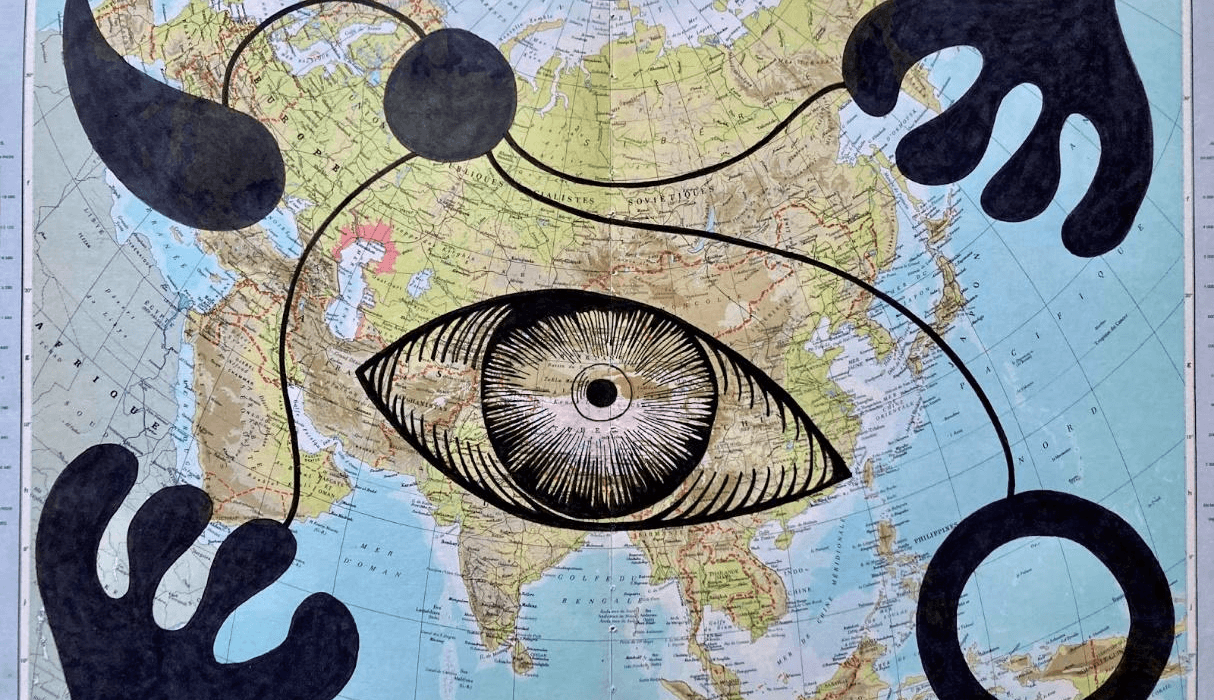
Arts and the Study of the International | Figure for the Issue

Arts and the Study of the International

VIDEO: Medical placement in the Solomon Islands

Bond University

Other Issues
Issue no. 6 | November 2019
image
Start reading
Endangered Earth
Global Challenges
Issue no. 6 | November 2019
Endangered Earth

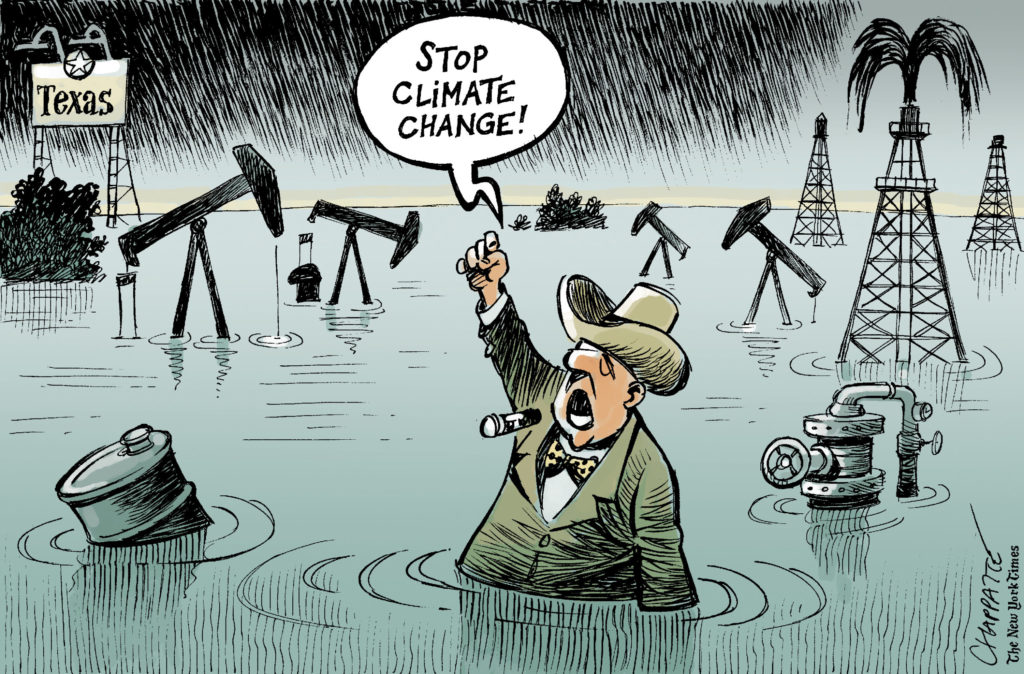
Soil is an essential component of the Earth’s ecosystem. It contributes to and fulfills a wide range of environmental and societal functions such as food production, water filtering, carbon storage and the preservation of biodiversity essential to the survival of the human species. While soils have witnessed significant environmental degradation in recent decades, lands have been the object of increased economic competition and financial speculation. The commercial and financial scramble for land has never been more intense as transnational actors and governments such as the Chinese seek large scale bids for land in the Global South that have been likened to new forms of neocolonialism. The consequences of this double tension include the loss of biodiversity, floods, climate change, famines, forced migration and conflict. 

It is the assumption of the present Dossier that issues such as large scale exploitation of land and natural resources, soil degradation, biodiversity, food security and climate change are closely interdependent and cannot be treated in isolation. Seeking to explore and better understand the interlinkages between the material degradation of soils and the increased extractive, commercial and speculative pressure on lands, the Dossier aims to address some of the broader stakes the Anthropocene is currently facing: How irreversible is the damage that has been caused to earth’s soils? Have we reached a point of no return? How many people is the earth able to feed and for how long? Are we trapped in a Malthusian logic? How will climate change depend and interact with changing patterns of soil distribution and depletion? What is the impact of large scale deforestation and natural resource extraction on the environment, particularly the soils? What are the governance patterns and technological solutions emerging to address land depletion and scarcity? What are some of the cybernetic loops and mechanisms of autoregulation through which the earth reacts to human interference? 

Start reading
Issue no. 18 | December 2025
image
Start reading
Genocide and International Law:
The Power of Semantics
Global Challenges
Issue no. 18 | December 2025
Genocide and International Law: The Power of Semantics

As images of conflict and atrocities multiply, a disturbing question resurfaces: do international treaties designed to protect civilians, prevent genocide and regulate the use of war still carry any weight? From the Convention on the Prevention of Genocide to the founding principles of humanitarian law, the legal edifice built after the Second World War is faltering. Between institutional paralysis, political manipulation and blatant impunity, there is a seeming “return to the law of the strongest”. Concurrently, the notion of genocide has gained traction again as it is mobilised by a wide range of actors to denounce Israel’s attack on Gaza and its lethal consequences since 7 October 2023.

This Dossier questions the capacity — and the limits — of international law in the face of contemporary violence. What is the current level of trust in the international legal architecture to address occurrences of mass violence? What is the relevance of the notion of genocide today, as opposed to that of war crimes or crimes against humanity? What are the political stakes in the use of terms that have a judicial grounding and are invested with historical meaning and precedents? In a world where legal landmarks are more necessary but also more contested than ever, the dossier offers valuable insights into these questions.

Start reading
Issue no. 3 | March 2018
image
Start reading
Globalisation 4.0:
Evolution or Revolution?
Global Challenges
Issue no. 3 | March 2018
Globalisation 4.0: Evolution or Revolution?

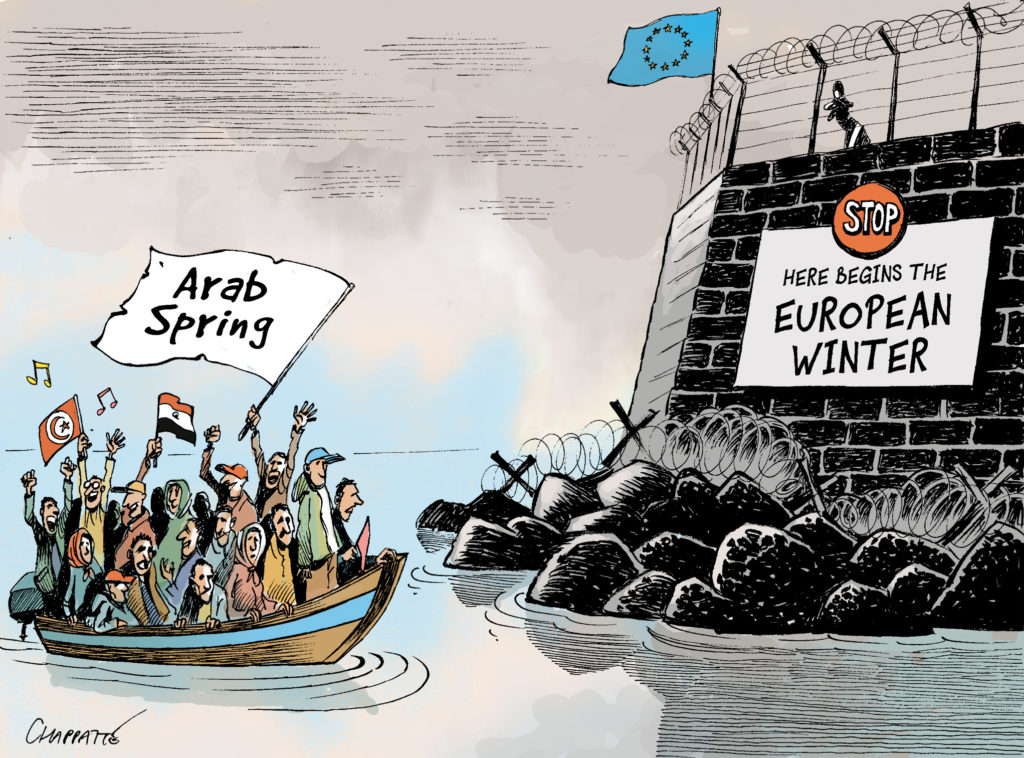
Has globalisation reached its apex after centuries of growth as suggested by the latest figures of the WTO? In the affirmative, does this imply that we are ushering into a new era of degrowth? Or are we witnessing the reorganisation of the very architecture of globalisation, which remains based on the twin logic of the acceleration and continuous increase of the volume of exchanges, as well as the steady densification of geographic connectedness. Are global exchanges restructuring concomitantly to the fourth technological revolution and the expansion of the digital economy? The present Dossier proposes to approach this question by observing the nature and the evolution of the principal flows that characterise globalisation.

Start reading

Sign up for the newsletter

© Global Challenges: Geneva Graduate Institute Dossiers

website by whybe.ch
We use cookies to ensure that we give you the best experience on our website. If you continue to use this site we will assume that you are happy with it.