The Uncertain Future of Human Rights | Figure for Article 8
Depletions: The Future of Population Decline and Human Rights
https://ourworldindata.org/

https://ourworldindata.org/
After a century marked by decolonisation and the imposition of a development model based on Western standards, Africa has entered the 21st century with a new status thanks, among other things, to its demographic dynamism (2 billion inhabitants in 2050 according to the UN, over 50% of whom will be under 25), its sustained economic growth, its extensive mineral and energy resources, and its drive for political leadership.
Additionally, since the end of the Cold War, emerging countries are successfully challenging the leadership of the West and are transforming this plural continent. If China has come to play a preponderant role, notably in terms of infrastructure development, the existence of multiple Africas presents prospects for a host of other international actors.
The continent’s development, however, is not without raising many questions, as it is still marked, in many ways, by issues of poverty and inequalities, as well as civil conflict and political repression.
The African continent is seeking more than ever to assert its autonomy of decision and action by making the most of its diverse potential. How will Africa – in its plural dimension – take advantage of this dynamism to write a new page in its history in the decades to come?
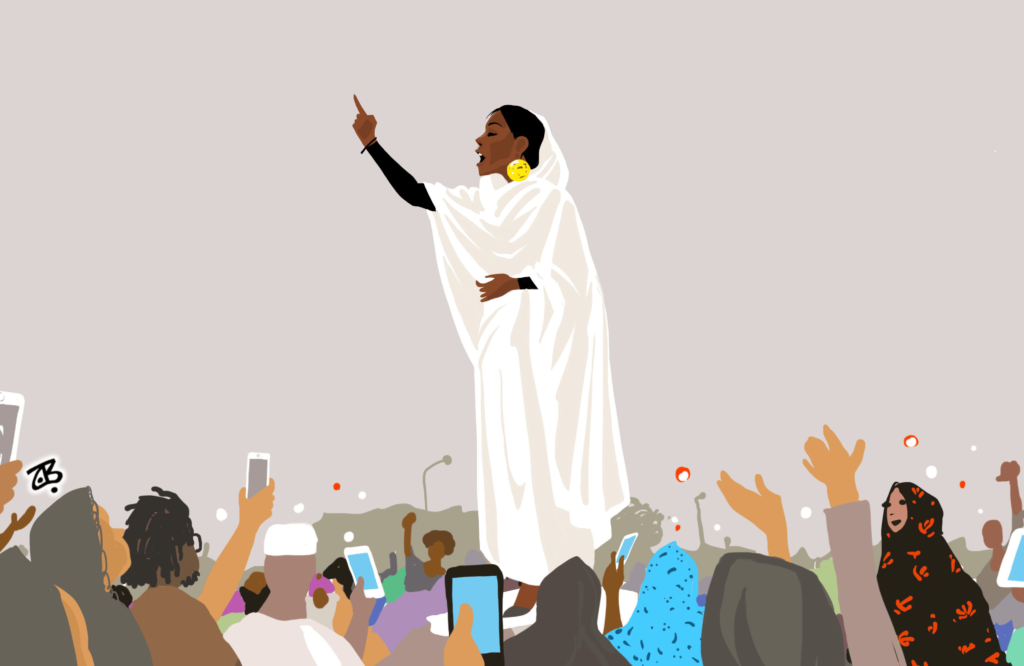
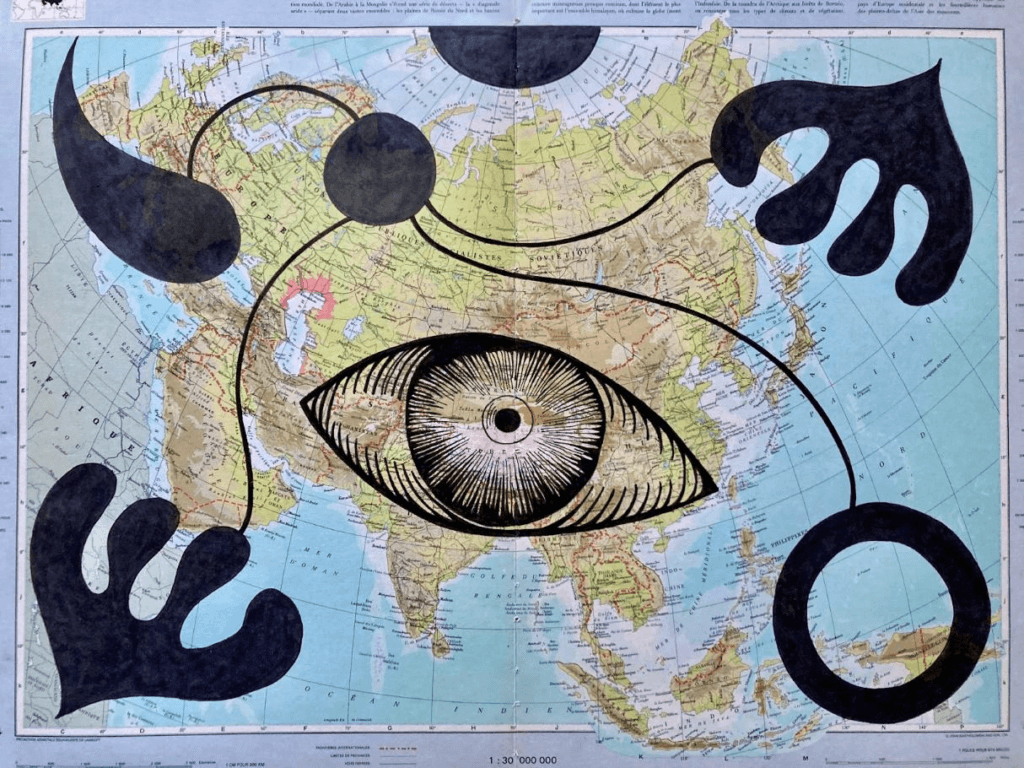
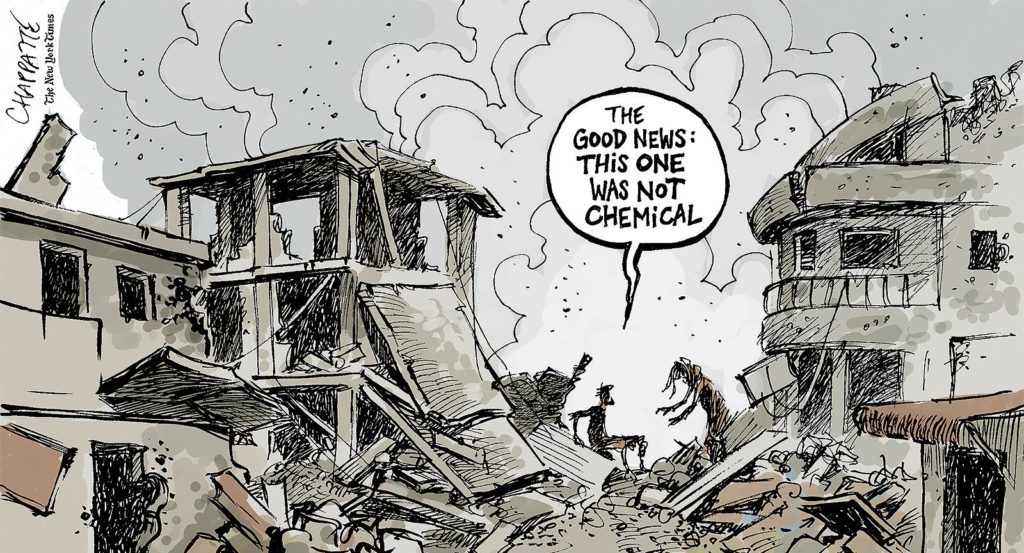
What does the experience of combining art and science bring to the study of international relations? Why blend sensibility with reason to think about the evolution of the world? How does aesthetic and/or creative performance nourish the production of academic knowledge? If thinking about creation and integrating art with the Humanities and Social Sciences is nothing new, the challenges of the 21st century call for new analyses and creative approaches that give a voice to frequently neglected perspectives, and contribute to a more nuanced and multidimensional understanding of the world. The dialectic of art and research can be approached through the artistic dimension of the object of study, proximity to artists, experimentation with new forms of fieldwork and writing, or through the cultural mediation of the results. In this special issue of the digital magazine Global Challenges, jointly produced by the Graduate Institute of International and Development Studies (Geneva Graduate Institute) and the Centre de recherches internationales (Sciences Po), the contributors shed light on the role of art in research.
The essays in this volume are the product of a new ‘research practicum‘ course in the Department of Political Science and International Relations at the Graduate Institute in Geneva. They build on the debates on ‘Urban Morphology and violence’ to reflect on the associations between cities – their political orders and disorders – and outcomes ranging from occupation and resistance to marginalisation and containment. These texts foreshadow the possibility of centring – and challenging – the urban in our understanding of contemporary conflict, violence and peace. They are a first step in opening up a research agenda for a more textured analysis of spatial, geographical and temporal dynamics within the city in relation to violence, and, therefore, the mobilisation of spatial, temporal and visual modes of analysis. The promise is to make visible the varied roles of urban morphologies – adding to the debate on cities in and as sites of conflict.